

Recalls for Chlorthalidone, Corlanor, Multiple Brands of Antifungals and Ointments; Oseltamivir (Tamiflu) Harms; Farxiga Generics; Medication Tips, More
Huge Amgen Recall of Corlanor and Sensipar; Drugs Discontinued
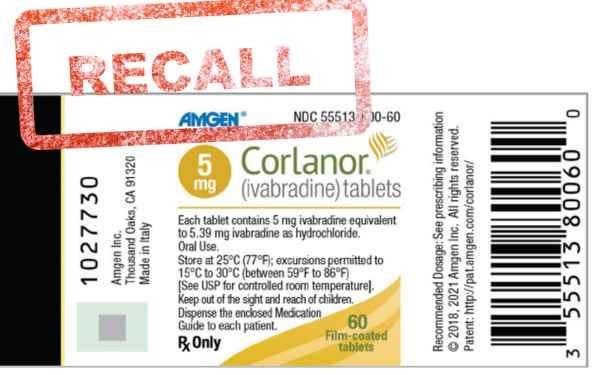
Amgen is recalling 934,577 bottles of heart failure drug Corlanor (ivabradine) 5 mg strength tablets due to the presence of an unspecified “foreign substance” in the tablets. Corlanor was recently discontinued by Amgen, although generics will still be available. This recall also affects an unspecified number of 7.5 mg strength bottles (60-count). The pills were made in Italy; 29 lots with expiration dates are between 8/31/2026 and 3/31/2027 are affected.
As part of this same recall event, 9,565 bottles of Sensipar (cinacalcet) 30 mg (expire 12/31/2027) plus unspecified quantities of 60 mg (Date 1/31/2028) and 90 mg (02/29/2028) tablets are under recall by Amgen due to CGMP (manufacturing quality) deviations. Sensipar has also been discontinued by Amgen, but generic versions are available. Cinacalcet treats hyperparathyroidism, a condition in which one or more of the parathyroid glands in the neck produce too much parathyroid hormone (PTH). The parathyroid glands help regulate calcium absorption, use and removal by the body.
Read more about hyperparathyroidism at Medline Plus.
Read Patient reviews of Sensipar at the AskaPatient website
Both Amgen recalls are listed in this FDA Enforcement Report (scroll down the linked page to see specific product information including lot numbers and expiration dates).
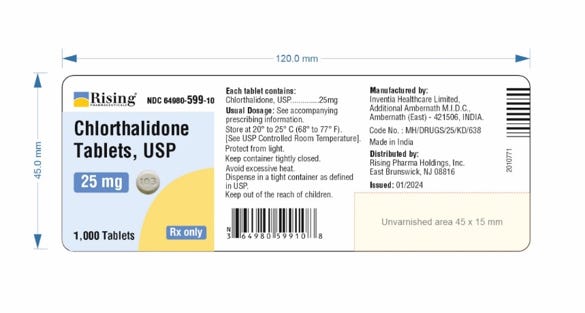
Recall of Chlorthalidone by Inventia Healthcare
Inventia Healthcare is recalling 11,460 bottles of 25 mg chlorthalidone tablets due to “failed dissolution specifications.” Chlorthalidone treats high blood pressure and is a “water pill” (diuretic) type of treatment. This product, in 100-count and 1000-count bottles, was labeled and distributed by Rising Pharma. Check the FDA Enforcement Report for lot numbers and expiration dates.
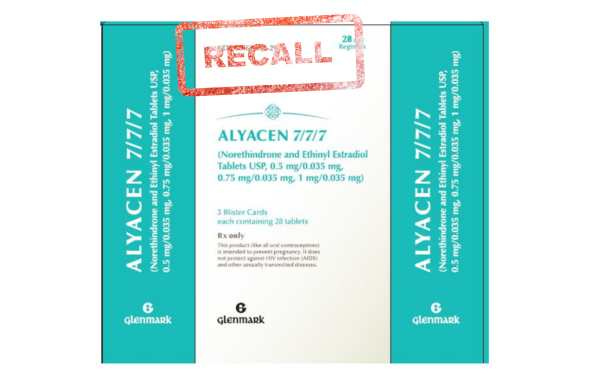
Recall of Birth Control Pill Alyacen by Glenmark
An unspecified quantity of Glenmark’s Alyacen 7/7/7 oral contraceptive blister card packs containing norethindrone and ethinyl estradiol tablets are being recalled due to a quality problem described as “out-of-specification results for total impurities.” The product was manufactured at Glenmark’s Goa, India location. Each card contains 28 tablets. Includes lot #: 20240411 with expiration of 6/30/2026 and lot # 20250252 with expiration 3/31/2027. FDA Enforcement Report
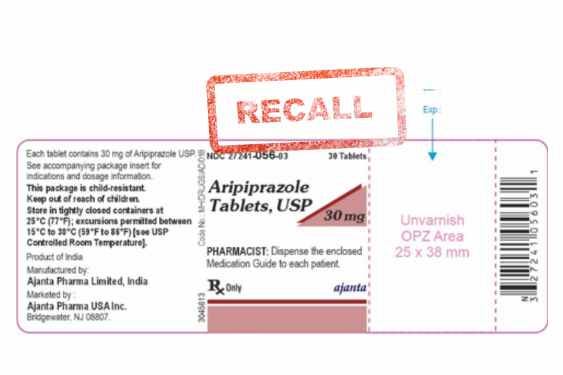
Recall of Generic Abilify (Aripiprazole) by Ajanta
Ajanta is recalling 6,143 bottles of 30 mg strength schizophrenia treatment aripiprazole (generic for Abilify) because the bottles may contain voriconazole tablets, an antifungal treatment. Aripiprazole is also approved to treat Tourette’s disorder and irritability associated with Autistic disorder.
Check the FDA Enforcement Report for expiration dates and lot numbers.
Read patient reviews of Abilify (aripiprazole) at Ask a Patient
Recalls for Antifungal Creams, First Aid Ointments, Hydrocortisone Creams
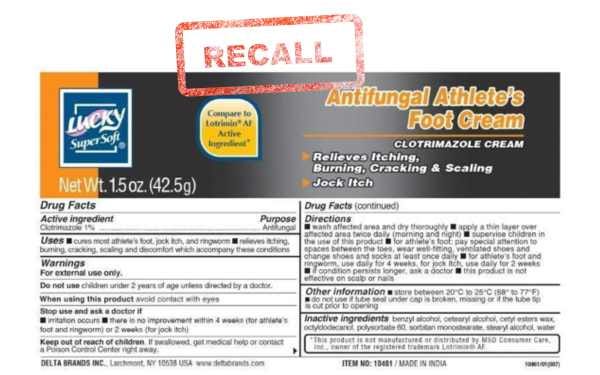
Dabur India Limited is recalling almost 30,000 tubes of over-the-counter topical medications under various brand and private label names because of serious manufacturing deficiencies and violations found during an FDA inspection of its Dadra and Nager Haveli, India facility. The products distributed through consumer retail channels include Lucky Super Soft Antifungal Athlete’s Foot Cream, Lucky Super Soft, First Aid Triple Antibiotic Ointment, Circle K, triple antibiotic ointment (L’il Drugstore brand), Cura Hongos, Crema Antifungica, and Rapidol, Triple Antibiotic First Aid Ointment. The consumer products were made for Delta Brands, L’il Drugstore Products, and Pharmadel LLC.
Dabur India’s products branded as Med Pride (a Shield Line wound products brand) and distributed to hospitals and other medical facilities are also under recall and include Bacitracin Zinc Ointment, Med Pride Hydrocortisone Cream, Med Pride Triple Antibiotic Ointment.
During its inspection of the manufacturing facility in January, FDA discovered multiple violations of CGMP (Current Good Manufacturing Practice). These included records falsification, inadequate laboratory controls, inadequate microbiological testing, facility maintenance, and cleaning violations. On June 5, the FDA added Dabur’s Dadra and Nager Haveli facility to its Import Alert List, banning all drug and vitamin products from that manufacturer from entering the U.S.
Check the FDA Recall Enforcement Report for a complete recall list with product expiration dates and lot numbers
The Hans India: “US FDA flags manufacturing and data integrity lapses at Dabur India plant”
Qvents: “Dabur Facility Placed Under Import Alert”
Recall of Methylergonovine Maleate by Harvard Drug Group
Harvard Drug Group is recalling 20 cartons (about 16,000 blister packs) of methylergonovine maleate tablets (2mg) because the tablets are subpotent (contain less than the labeled amount of active ingredient). Methylergonovine maleate is used after childbirth or during the last stage of childbirth to prevent or stop uterine bleeding. The three recalled lots have expiration dates of September 2026, December 2026, and August 2027. The tablets were made by Granules Pharmaceuticals in Chantilly Virginia and packaged and distributed by Major Pharmaceuticals. Check the FDA Enforcement Report for lot numbers.
Read patient reviews for methergine at AskaPatient
Farxiga Generics Growth; New Safety Warning
Astra Zeneca’s blockbuster (more than $6 billion in sales in 2023) type 2 diabetes/heart failure/kidney disease drug Farxiga (dapagliflozin) was approved in 2014. Dapagliflozin works by helping remove sugar from the kidneys and preventing reabsorption. In less than three months since the FDA’s April announcement of the first generics approvals, more than 15 generic versions have been approved and eight more have received tentative approval. An “authorized” generic (identical to the brand name) is available from Prasco, who partnered with Astra Zeneca after Medicare named Farxiga one of its first 10 drugs for price negotiations.
FDA Press Release: FDA-approves-first-generic-dapagliflozin-tablets
A recent safety update for dapagliflozin clarifies and strengthens warnings about Genitourinary Infections, which encompass urinary tract infections and genitals-related infections. Dapagliflozin-associated infections include Urosepsis, Pyelonephritis, Necrotizing Fasciitis of the Perineum (Fournier’s Gangrene), and Genital Mycotic Infections.
Read Patient Reviews of Farxiga at Ask a Patient website.
Study Shows Oseltamivir (Tamiflu) Linked to More Deaths in Hospital
Oseltamivir (Tamiflu brand name) has been a standard treatment for influenza for more than 20 years. Findings from a large global ongoing trial may change the guidelines, at least for severely ill patients in the hospital. Until the guidelines actually change, if you or a family member is hospitalized with influenza, you may want to question or intervene with a provider’s decision to administer oseltamivir.
In the REMAP-CAP trial (explained below), adult patients with severe flu who needed to be admitted to Intensive Care Units (ICU) were randomly put into groups who were either given oseltamivir, or not given oseltamivir. All other parts of treatment were decided by the team caring for them. Many of the patients were receiving non-invasive oxygen support or invasive mechanical ventilation. The press release highlights the findings:
“Unexpectedly, we found that for these patients, NOT giving oseltamivir was linked with better outcomes (fewer deaths). These results suggest that patients with severe flu who need to be admitted to an ICU should not receive oseltamivir, even though it is currently part of standard care.
This was very surprising because there had been some studies suggesting that oseltamivir is safe, and may have a small benefit to patients. But almost all of these studies were for people who were not in hospital or an ICU.”
Alasdair Munro, medical doctor and writer of The Munro Report, explains why this study is a game-changer and why earlier studies on oseltamivir are problematic. He also shares the surprising findings of the “SNAP” clinical trial involving 3,800 patients with Staphylococcus aureus infection. Patients received either a primary antibiotic alone for five days or clindamycin given alongside the primary antibiotic. The clindamycin group experienced higher rate of deaths. Check out “When doing more harms patients.”

More about the REMAP-CAP Trial:
The Randomized, Embedded, Multifactorial Adaptive Platform trial for Community-Acquired Pneumonia (REMAP-CAP) was conceived after the 2009 Influenza AH1N1 (”Swine flu”) outbreak, and was initiated in Europe in 2014. The trial is embedded within a network of over 300 participating research centers in eight global regions and continues to grow.
Hospitalized patients with respiratory tract infection (Community Acquired Pneumonia, Influenza, or COVID-19) are usually treated with a combination of treatments rather than a single drug. The Adaptive Platform Trial embedded in clinical care allows multiple therapies to be evaluated at the same time under a master protocol. Read more About REMAP-CAP.
Generic Available for Xofluza: Baloxavir Marboxil for Influenza
FDA approved Norwich Pharmaceuticals’ baloxavir marboxil tablets, the first generic version of Genentech’s Xofluza, which was originally approved in 2018. Baloxavir marboxil is a one-dose antiviral for age 5 and up to treat influenza within the first 48 hours of symptom onset or as a post-exposure prophylactic (preventive drug) for people who have been exposed to the flu. Not only has baloxavir been shown to be faster acting than Tamiflu, the one-dose regimen offers another advantage, since oseltamivir (Tamiflu) has a ten-dose regimen over five days.
FDA Press Release FDA approves-first-single-dose-generic-treatment-influenza
Given the poor outcomes for hospitalized patients taking oseltamivir, could baloxavir be a new treatment option in the hospital? Currently, the treatment is rarely offered in hospitals, and the CDC specifically does not recommend baloxavir for treatment of flu in hospitalized patients due to limited data. CDC also does not recommend its use for pregnant or breastfeeding women, or for severely immunosuppressed individuals.
Medication Tips: Low Calcium Concerns and Question About HRT Over Age 65
Dr. Lucy McBride, writer of Are You Okay? recently answered a question from a reader with a concern about her lab reports showing she is low in calcium, despite taking daily 500 mg calcium supplement and eating calcium rich foods. The reader learned that these foods “bind” to calcium, getting in the way of absorption. Dr. McBride explains why a low calcium level on blood work usually isn’t a story about dietary calcium intake.
Question about Dietary Calcium and Oxalate
Dr. McBride also responds to a question from a 72-year old reader who is concerned because her primary care clinic won’t prescribe Hormone Replacement Therapy, (HRT), including vaginal estrogen, to women over 65 or more than 10 years past menopause.
Vaginal Estrogen After Age 65
Did you miss the last edition? Check it out here:
