

New Warnings for RA drug Actemra, Human Growth Hormones, Duchenne’s Elevidys; Recalls for Homeopathic Nasal Spray, Beta blocker, Duloxetine; Fake Botox Warnings; Nasal Spray Treatment Tip
New Warning: Actemra and Blood Clotting Problems
Genentech’s rheumatoid arthritis drug Actemra (tocilizumab) will soon have a new warning about the rare risk of hypofibrinogenemia, or low levels of the protein fibrinogen in the blood. Produced by the liver, fibrinogen helps blood to clot. Actemra is also associated with another serious drug-induced blood-related side effect: neutropenia, or a low number of white blood cells. Neutropenia makes it harder for the body to fight off infection. Actemra was approved in 2010.
The new warning was revealed in a letter from FDA to Genentech with an action date of December 10, 2025.
Read or add patient experiences with Actemra (current rating: 2.8, somewhat satisfied on average among 64 patients)
New Warning: Human Growth Hormone Drugs and Bone Problems
Growth hormone deficiency drugs have a new warning about the risk of slipped capital femoral epiphysis, which is a separation of the ball of the hip joint from the thigh bone at the upper (growing end) of the bone, which may lead to osteonecrosis (bone disease) in pediatric patients. Cases of slipped capital femoral epiphysis, with or without osteonecrosis, have been reported in pediatric patients with short stature receiving somatropin. Links to the label changes:
GENOTROPIN
HUMATROPE
NORDITROPIN
NUTROPIN AQ
OMNITROPE
Read more about slipped capital femoral epiphysis at Medline Plus.
Duchenne’s Elevidys: New Boxed Warning for Liver Injury; Revised Patient Eligibility
Sarepta Therapeutics’ Duchenne’s muscular dystrophy (DMD) treatment Elevidys has a new boxed warning and revised usage indications. The drug is now limited for use only by ambulatory patients (those who can walk) who are 4 years of age or older with the DMD gene. Earlier this year, two deaths occurred in non-ambulatory patients due to liver failure that occurred within two months of receiving the infusion treatment. For a short period, treatment was suspended while the company and the FDA investigated safety concerns.
The new boxed warning describes the risk of serious liver injury and acute liver failure, including fatal outcomes. Elevidys is one of just 48 approved gene therapy products in the U.S. and was originally approved in 2023.
FDA Safety Communication: FDA Takes Action on New Boxed Warning for Acute Serious Liver Injury and Acute Liver Failure Following Treatment with Elevidys and Revised Indication that is Limited to Ambulatory Duchenne Muscular Dystrophy Patients
FDA Press Release: FDA Approves New Safety Warning and Revised Indication Limits for Elevidys
So far, about 200 adverse event reports have been sent by Sarepta Therapeutics to the FDA Adverse Events Reporting System (FAERS) between 2023 and 2025. The Elevydis FAERS Report Summary at Ask a Patient for reveals reported liver-related reactions include increased blood bilirubin levels, increased liver enzyme levels (including alanine aminotransferase), and 14 reports of “liver damage.” Only seven reports (3 by healthcare professionals, 1 by a consumer, and 2 by a pharmacist) have been filed directly with the FDA using its voluntary MedWatch Reporting System. Liver-related adverse effects also dominate the Elevydis MedWatch Direct Reports Summary.
Drug Recalls Roundup
Check our website for summaries of recalls for the generic Cymbalta antidepressant duloxetine, beta blocker bisoprolol, and generic testosterone gel.
Companies selling illegal injectable “Botox” types of products for cosmetic and medical use have been ordered by the FDA to remove the products from their websites. Find a the list of websites selling them at MedShadow Foundation: “Serious Risks of Unapproved Botox Injectables”
ReBoost Nasal Spray Recall
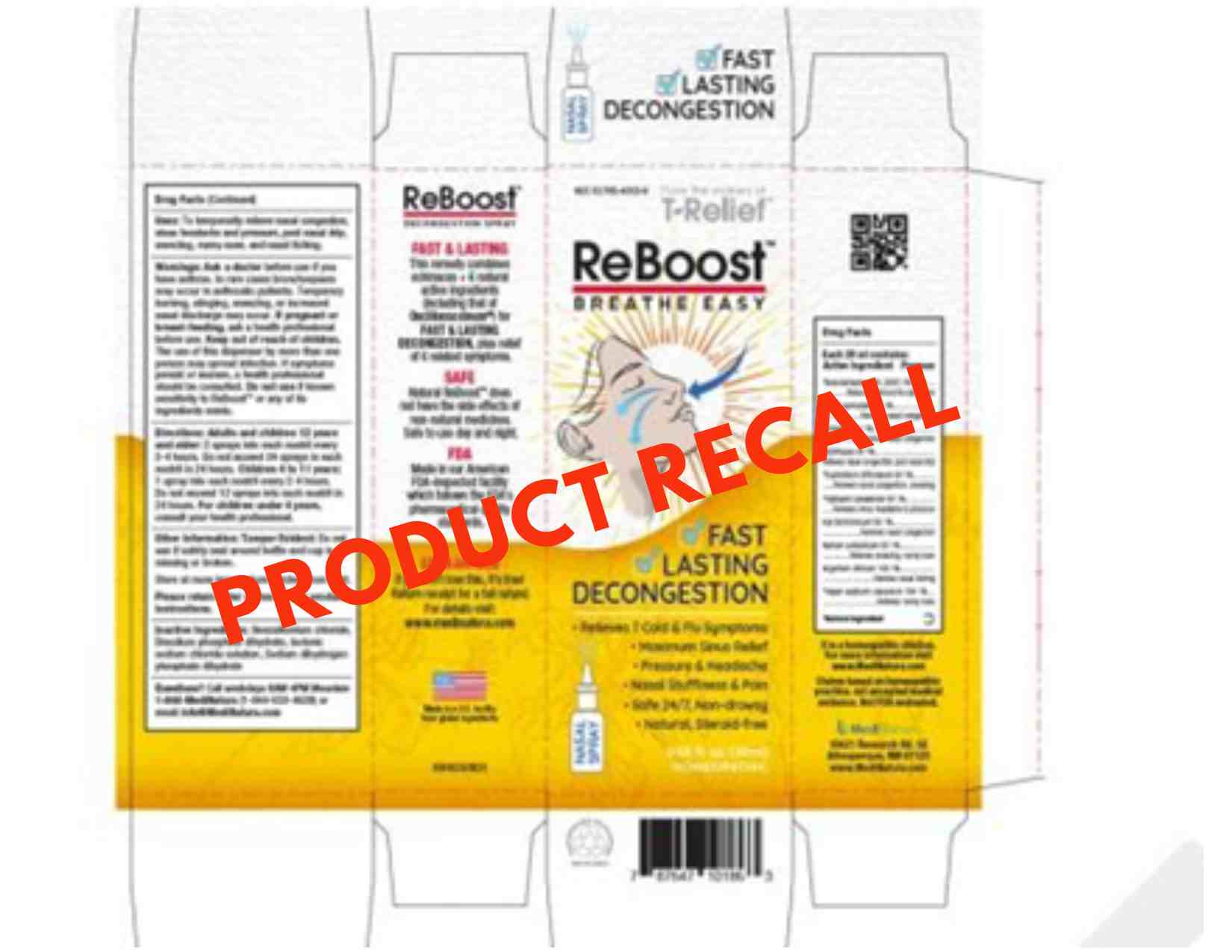
The FDA announced an urgent nationwide recall of MediNatura New Mexico Inc.’s ReBoost Nasal spray due to yeast/mold and microbial contamination, with one species identified as Achromobacter. The homeopathic nasal spray is used to temporarily relieve nasal congestion, sinus headache and pressure, postnasal drip, sneezing, runny nose, and nasal itching. ReBoost is sold on many online retailer websites. The product (0.68 fluid oz bottle) was manufactured in Albuquerque, New Mexico, with an expiration date of 12/2027 and product lot number 224268, affecting about 37,000 bottles.
MediNatura has so far not received any reports of adverse events related to this recall, but the FDA says that “there is a reasonable probability that adverse health consequences including life-threatening infections will occur with use of the product in the immuno-compromised population.”
FDA Safety Announcement: MediNatura Recall of ReBoost Nasal Spray
Albuquerque TV station KRQE: “Company spokesman shares info on recall of Albuquerque-manufactured nasal sprays”
FDA warns that homeopathic products are marketed without FDA review and may not meet modern standards for safety, effectiveness, quality and labeling. In June 2025, Zicam cold remedy homeopathic nasal swabs and related products were recalled because of potential microbial contamination.
FDA article: “Some Homeopathic Products May Put You at Risk”
Medication Tip: Saline Nasal Spray to help prevent or treat respiratory illnesses
The homeopathic nasal spray under recall, ReBoost, has a long list of ingredients on its package:
Silver nitrate, euphorbia resinifera resin, calcium sulfide, goldenseal, potassium dichromate,luffa operculata fruit, sodium carbonate, echinacea unspecified, cairina moschata heart/liver autolysate and pulsatilla vulgaris.
While silver nitrate and potassium dichromate can serve as preservatives, testing of the product revealed microbial contamination. Dr. Ryan McCormick, writer of “Examined,” notes that our nasal passages are “ground zero” for respiratory illness, and recently wrote about why he thinks a simple nasal saline irrigation is beneficial and underutilized, and provides some relevant studies that support its use.
He says that “The Immune Defence trial, published in The Lancet, followed 14,000 adults over six months. Those using isotonic saline spray at the first sign of symptoms or after potential exposure experienced 20 percent fewer total illness days compared to usual care - about 18 versus 22 days over the study period. Notably, participants only used sprays reactively when they felt symptoms starting, not as daily prevention.”
McCormick notes that many people don’t like “neti pots,” (full nasal irrigation), but saline sprays can also be beneficial.
Examined: “The 5,000-year-old hack that could cut your sick days by 20% - or prevent some illnesses entirely.”
Check Medline Plus for instructions on making a nasal saline wash and explanation of how saline nasal washes or sprays can help relieve nasal allergy symptoms and help prevent sinus infections (sinusitis). Make sure to use distilled or boiled water if you are making your own solution.
Two newsletters were sent today. In addition to this Drug Safety Update, find the newsletter featuring New Drug Approvals here:
December 2025 New Drug Approvals
Did you miss our Thanksgiving edition? View it here:

Note to Readers: The newsletter will be on Holiday Break until the new year. However, we may post occasionally in the “Notes” section of the newsletter website news.askapatient.com.
Visit our main website with a drug database of patient experiences at www.askapatient.com
Wishing all of our readers a Happy and Healthy Holiday!