

March 2026: Approvals for Promising Blood Cancer Treatment; Pediatric PKU Drug; Sinus Infections and Antibiotics; Health AI Tool Concerns; GLP-1 Pills Compared; Medication and Supplement Tips
Lots of news today, which will be sent in two parts: this section features new drug approvals, research, and medication tips; the second section features drug recalls and warnings.
Tec-Dara Approved for Multiple Myeloma; Third Priority Review Voucher Approval
FDA approved Janssen’s Tec-Dara, (a combination of teclistamab and daratumumab hyaluronidase-fihj), to treat adult patients with relapsed or refractory multiple myeloma who have received at least one prior line of therapy. Myeloma is a rare blood cancer that affects the blood plasma. In the supporting study, Tec-Dara reduced the risk of disease progression or death by 83% relative to the standard of care control arm. Because of the promising results, FDA proactively awarded Tec-Dara a priority review voucher in December 2025.
This is the third FDA approval under the Commissioner’s National Priority Voucher (CNPV) pilot program. The program aims to speed up the approval time for drug applications that address critical national health priorities. Both drugs in the Tec-Dara combination had prior individual approval.
FDA Press Release, March 5: FDA-grants-third-approval-under-national-priority-voucher-program
First Two Priority Review Voucher Approvals: Lung Cancer Treatment and Amoxicillin Antibiotic
The first two approvals under the CNPV program were Boehringer Ingelheim’s non-small cell lung cancer drug Hernexeos (zongertinib) and Augmentin XR (amoxicillin; clavulanate potassium), an antibiotic which had been discontinued in 2011 but was relaunched by USAntibiotics and is made in the U.S. The swift approval of Augmentin XR aimed to address antibiotic shortages and enhance domestic drug production.
Changes to Prescribing Guidelines for Antibiotics for Sinus Infections
More news about amoxicillin antibiotic (Augmentin brand name): A new clinical protocol released by the American Academy of Otolaryngology-Head and Neck Surgery now advises a “wait and see” approach before prescribing antibiotics for many sinus infections. And if a drug is prescribed, the “go-to” is Amoxicillin, with or without clavulanate potassium, for 5 – 7 days. Check out this assessment of the new recommendation at Doc’s Lounge:
We Prescribe Antibiotics for Sinusitis More Than Almost Anything Else. The Guidelines Just Got Stricter
Pediatric Approval for PKU Treatment Palynziq (pegvaliase-pqpz)
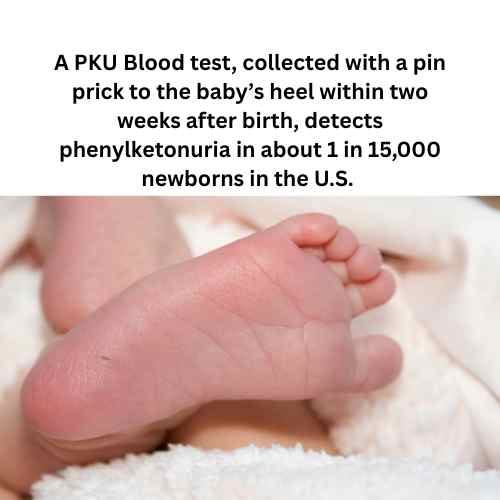
The FDA expanded approval of BioMarin’s Palynziq (pegvaliase-pqpz) to include children 12 years of age and older with phenylketonuria (PKU), a rare genetic amino acid metabolism disorder in which the body can’t properly break down phenylalanine, a substance in almost all foods. PKU can cause seizures and intellectual disability if not controlled at a young age. All newborns in the U.S. are tested for PKU with a heel prick (blood sample). If they are found to have the condition, the babies will drink a special formula and will also have a special low-protein diet for the rest of their life. The PKU diet consists of avoiding meat, dairy, nuts, beans, tofu, and other foods that are high in protein.
Palynziq, originally approved in 2018, is a prescription enzyme therapy self-administered daily (after a weekly initiation regimen) using a subcutaneous prefilled syringe. It works by lowering blood levels of phenylalanine and makes dietary control easier for some patients. Patients taking it may be able to eat foods that they previously had to avoid, but will always need to monitor their diet.
Palynziq can cause serious allergic reactions and has a boxed warning for the risk of anaphylaxis. In a study of 36 patients age 12 to 17, anaphylaxis was reported in about 11% of Palynziq-treated patients. Epinephrine must always be available to the patient to counteract potential allergic reactions.
Another newly added warning for Palynziq is that levels of Phe have gone too low during treatment, a condition called Hypophenylalaninemia. Health care providers must monitor blood Phe levels periodically during treatment. This side effect was noticed in clinical trials. For the trial (“Study 4”) of patients age 12 to 17, 28% of patients in the PALYNZIQ-treated group experienced hypophenylalaninemia, compared to 5% of patients in the diet-only group.
BioMarin is also seeking approval from the European Medicines Agency to expand the use of Palynziq to include adolescents age 12 and up.
FDA Palynziq Safety Label Update
BioMarin Press Release: FDA approves-biomarins-palynziq-pegvaliase-pqpz-for-adolescents-12-years-of-age-and-older-with-phenylketonuria-pku
Read more about PKU disease at Medline Plus.
The only other prescription drug treatment for PKU is Kuvan (sapropterin dihydrochloride) tablets, approved in 2007
Research: Study Warns of Dangerous Flaws in ChatGPT Health AI
Within weeks of ChatGPT Health’s release in January 2026, OpenAI reported that about 40 million people were using the tool daily to seek health information and guidance, including advice about whether to seek urgent or emergency care. However, investigators of a new study say there was little independent evidence about how safe or reliable its advice actually was.
Researchers at Mount Sinai Health’s Icahn School of Medicine found that ChatGPT Health has considerable and potentially dangerous flaws, as the tool under-estimated the severity of various medical situations half of the time. In the study, researchers fed 60 medical scenarios to ChatGPT Health. The chatbot’s responses were compared with the responses of three physicians who also reviewed the scenarios and triaged each one based on medical guidelines and clinical expertise.
In cases like impending respiratory failure, the bot seemed to be “waiting for the emergency to become undeniable” before recommending the ER, for example. Compared with the doctors in the study, the bot also over-triaged 64.8% of nonurgent cases, recommending a doctor’s appointment when it wasn’t necessary. The research team plans to continue evaluating updated versions of ChatGPT Health and other consumer-facing AI tools, expanding future research into areas such as pediatric care, medication safety, and non-English-language use. The study was published in Nature Medicine.
NBC: Chat GPT Health Under-triaged Half of Health Emergencies
Mount Sinai Press Release: Research-identifies-blind-spots-in-ai-medical-triage
Research: GLP-1 Pills for Diabetes and Weight Loss Compared
An Eli Lilly-sponsored trial involving 1,698 participants found that Eli Lilly’s experimental GLP-1 pill, orforglipron, worked better than the Rybelsus tablet (semaglutide) for people with type 2 diabetes. Over a year, those who took daily orforglipron had lower blood sugar levels and lost around 20 pounds on average, compared to about 11 pounds lost with daily Rybelsus tablets. However, side effects like nausea and stomach issues were more severe with orforglipron: more people stopped taking orforglipron than semaglutide because of side effects. Lilly says the comparison used the regular diabetes doses of Rybelsus, not the stronger doses of semaglutide in Novo Nordisk’s newer weight-loss pill (Wegovy), because at the time the trial began, the Wegovy pill had not yet been approved. The study was published in The Lancet.
Scientific American: Head-to-head-trial-shows-eli-lillys-oral-GLP-1-orforglipron-outperforms-oral version of Ozempic (Rybelsus)
Novo Nordisk has three approved GLP-1 pills:
(see our article “Rybelsus Tablets Rebranded as Ozempic Tablets” and “Wegovy Tablets” approval in December 2025)
Related Research Summary at Ask a Patient Health News: Research-stopping-GLP-1-weight-loss-drugs-leads-to-faster-weight-regain-than-discontinuing-behavioral-weight-loss-program
Warning from PAHO about Inappropriate GLP-1 Medication Use
The Pan American Health Organization (PAHO) urged the 35 countries in the Region of the Americas to strengthen monitoring and ensure the appropriate use of glucagon-like peptide-1 receptor agonist (GLP-1) medicines, in light of increasing reports of adverse events associated with their misuse. In an epidemiological alert published on February 27, PAHO warned that growing demand for these medicines may encourage their commercialization through unofficial channels, including the internet and social media, increasing the risk of exposure to falsified, unauthorized, or substandard quality products.
PAHO Press Release: PAHO-calls-for strengthened-pharmacovigilance-following-reports-of misuse of-GLP-1-medicines
FDA Warns Illegal GLP-1 Online Retailers and Pharmacies
Commercialization of the medicines through unofficial channels has already been realized and the problem is growing. This week, the FDA sent a second batch of 30 cease and desist warning letters to online retailers, compounding pharmacies, and telehealth companies for illegal production, sale, and marketing of compounded GLP-1 drug products, including semaglutide and tirzepatide.
FDA Press Release: FDA-warns-30-telehealth-companies-against-illegal-marketing-compounded-GLP-1s
Medication and Supplement Tips
Dr. Lucy McBride, writer of “Are You Okay?” recently answered these reader-submitted questions:
GLP-1s and Potential Bone Loss
A 58-year old reader has been on semaglutide for eight months and lost 35 pounds. She’s happy to lose the weight but concerned about how the weight loss might affect her bone health.
Question-1-GLP-1s-and-bone-density
Asymptomatic Heart Problems
A 40-something reader is concerned about her heart health after a friend had a ‘widow maker’ heart attack in his 40s.
Question-2-screening-for-heart-attack
Heart Health
From Washington Post, “Should You Take a Supplement for Heart Health? Here’s What the Science Says” (not paywalled; from MSN)
Supplements to Take or Avoid while Taking GLP-1s
Independent testing company Consumer Lab reviewed which supplements and foods might be helpful or harmful for those taking GLP-1 medications.
Helpful: Protein, fiber, probiotics
Supplements to avoid or use with caution: High-dose turmeric/curcumin
Supplements that may reduce the effect of GLP-1 drugs: High-dose niacin, prescription digestive enzymes, CLA (conjugated linoleic acid) melatonin; krill oil. Desiccated thyroid may also interfere with blood sugar control.
Supplements that may intensify the effect of GLP-1s because they reduce blood sugar: Aloe vera, ashwagandha, chromium picolinate, cinnamon, ginseng
Supplements Claiming to Do the Same Thing as GLP-1s
Consumer Lab says that supplements that might make you feel full and eat less don’t work as well as GLP-1s because the action is very short-lived. The probiotic Akkermansia muciniphila and TUDCA (tauroursodeoxycholic acid), as well as the sugar substitute allulose, are marketed as increasing natural levels of GLP-1 and possibly improving weight loss. Berberine (known as “Nature’s Ozempic”) has a much smaller effect on blood sugar compared to GLP-1 drugs and has not been proven to cause significant weight loss. Consumers should beware of topical GLP-1 supplements (like patches and gels) which Consumer Lab says don’t work. Also, be cautious of Gymnema sylvestre, a woody vine-derived supplement that is marketed to lower blood sugar, because it has caused rare but severe allergic reactions.
Consumer Lab: Supplements to Take or Avoid When Using a GLP-1 Drug (full article requires subscription)
Did you miss our last edition? Find it here:

More about PKU PhenylKetonUria
https://geoffpain.substack.com/p/gmo-filthy-escherichia-coli-bacteria